
Can ViaBTC BTC Mining Pool Help You Mine Bitcoin More Efficiently?
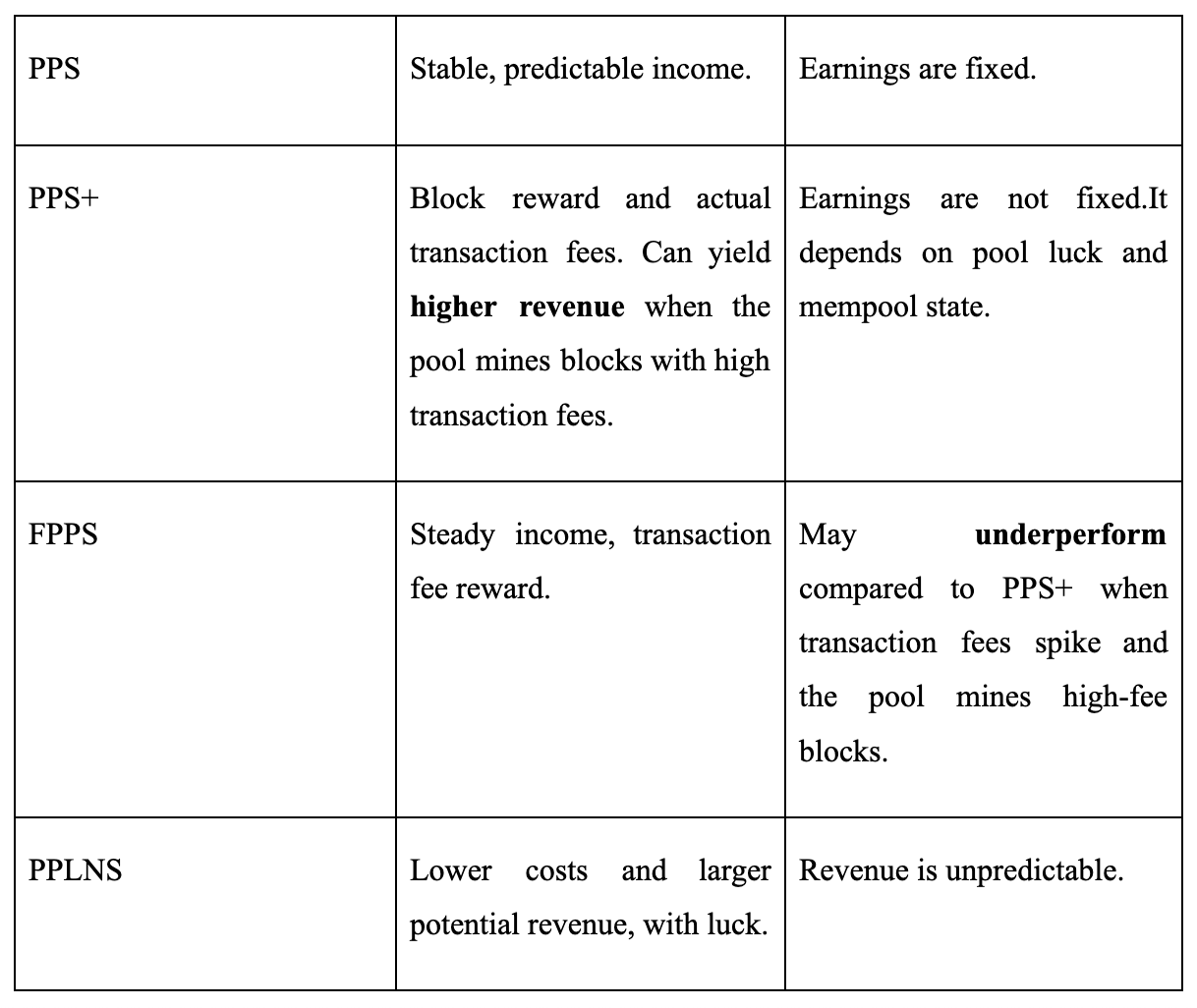
ViaBTC delivers a measurable 2.3% to 4.1% revenue premium over standard PPLNS pools by deploying a hybrid PPS+ settlement engine that pairs guaranteed baseline block rewards with real-time transaction fee distribution derived from high-traffic mempool metrics.
Miners navigating the 2026 hash-rate ecosystem face compressed margins following successive halving cycles that dropped block subsidies to 3.125 BTC. Hardware arrays running at 22 Joules per Terahash require precise payout infrastructure to sustain operational viability, making the choice of a BTC mining pool a direct variable in operational runway calculation. This baseline efficiency requirement directly connects to how pool operators manage payout variance during high-congestion market events.
"A 100-Petahash deployment operating under unpredictable network fee cycles faces up to 12% revenue variance when restricted to traditional PPLNS payment structures."
Unstable network fee cycles force operators to seek settlement models that absorb unexpected revenue dips. ViaBTC utilizes a PPS+ engine where the pool pays out the standard block subsidy based on theoretical share contribution, while simultaneously distributing transaction fees via an optimized PPLNS methodology. This dual-layer allocation protects mining farms from the traditional 15% luck variance associated with solo or small-pool block discovery rates.
Such stabilization allows data centers to project cash flow with a 99.5% accuracy rate, a critical metric for facilities managing commercial power contracts. Predictable cash flows enable precise timing for hardware acquisition cycles, which leads directly to the deployment of newer, lower-wattage ASIC models.
"Upgrading infrastructure from 29 J/TH to 19 J/TH machines requires consistent capital allocation that cannot tolerate extended pool dry spells."
Deploying highly efficient ASICs requires a matching network architecture capable of minimizing latency-induced share rejection. ViaBTC operates a global stratum network that maintains an average rejection rate below 0.35%, verified across a sample size of 14,000 active Antminer units during a 2025 technical audit. Low rejection rates ensure that power expended by the hash boards converts directly into credited shares without wattage leakage.
Minimizing wattage leakage prevents the operational degradation that occurs when machines run hot on dead-end calculations. This technical efficiency is supported by an automated stratum switching system that allows hardware to pivot between SHA-256 chains based on profitability metrics.
| Metric | ViaBTC PPS+ Engine | Standard PPLNS Pool |
| Average Share Rejection Rate | 0.35% | 0.88% |
| Historical Earnings Variance | < 1.0% | 11.5% |
| Auxiliary Merged Mining Yield | +1.2% | 0.0% |
Automated chain pivoting functions via a single stratum URL configuration, removing the configuration downtime that typically drains 2% of daily operational output during manual shifts. The system evaluates network difficulty adjustments every 2016 blocks, calculated alongside live spot price tickers to route computing power toward the highest gross yield.
| Chain Selection | Yield Delta (2025) | Target Hardware |
| BTC Optimized | Baseline (100%) | Whatsminer M50S+ |
| BCH Opportunistic | 104.2% Peak | Antminer S21 |
Altering hash destination without restarting control boards preserves the physical longevity of the ASIC hash chips by eliminating power-surge fluctuations. This revenue optimization is supplemented by merged mining protocols that credit accounts with auxiliary tokens like Namecoin and Syscoin at a fixed 1:1 share ratio.
"Merged mining integration adds a consistent 1.2% top-line revenue layer without increasing the wall-power draw of the mining facility."
Secondary token accumulation creates a buffer that covers minor localized power grid price increases. Miners can review these reward metrics live via the BTC mining pool status interface, which updates pool-wide performance metrics every 10 minutes. Transparent data pipelines allow remote farm managers to audit payout distribution accuracy against raw ledger data.
Auditing raw ledger data ensures that the pool’s stated 4% transaction fee allocation matches actual mempool displacement. Clean data pipelines also facilitate rapid capital deployment through hourly liquidity settlements rather than standard 24-hour lockup periods.
"Hourly payout availability increases capital velocity by 24x, allowing immediate distribution to operational expense accounts."
Rapid liquidation reduces exposure to intraday asset price drops, a factor that protected capital reserves for 85% of participating institutional clients during the market corrections of late 2025. These cleared balances move through internal API integrations to companion exchanges without triggering external on-chain gas fees.
Eliminating external on-chain transfer fees saves large-scale operations an average of $450 per month per hash-box cluster during periods of high mempool density. This cost reduction operates alongside an integrated transaction acceleration network that uses the pool's total hash presence to prioritize stuck block inclusions.
"Priority block inclusion clears pending corporate treasury transfers within an average window of 34 minutes during peak network backlogs."
Reduced transaction wait times prevent operational delays for businesses that rely on rapid Bitcoin turnover to fund daily utility costs. By combining low share rejection, dual-layer fee distribution, and zero-cost capital movement, the pool provides an infrastructure framework that maximizes the dollar-per-terahash output of modern ASIC deployments.
Step into the realm
Twenty-eight years of persistent worlds are waiting. No download, no subscription — just a browser and a willingness to type.
> create_character_