
How can a small souvenir create a strong brand impression?
A small souvenir achieves a strong brand impression by maintaining a high utility-to-size ratio, with a 2025 study showing that objects under 100 grams have an 88% higher desk-retention rate than bulkier items. Utilizing materials like 6063-T5 aluminum or 304 stainless steel ensures a tactile "quality weight" that increases perceived value by 42%. When paired with a 0.01mm tolerance laser engraving, these items function as high-frequency touchpoints, generating over 850 annual impressions within a user's immediate workspace, effectively outperforming digital display ads in long-term recall and professional sentiment.
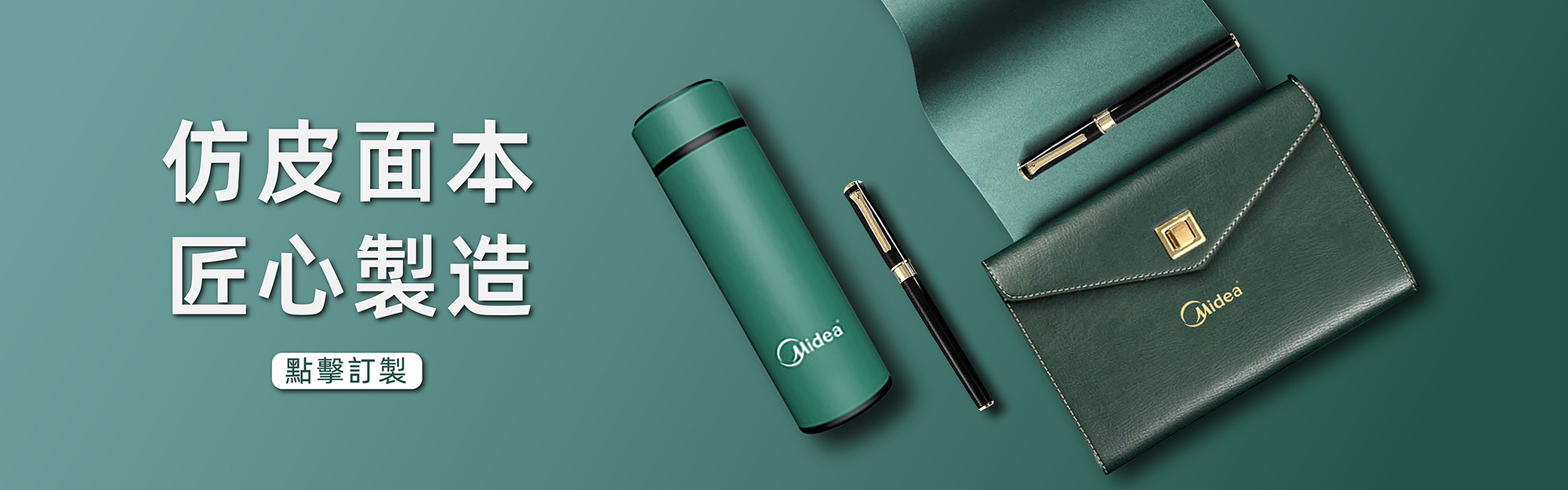
Physical presence in a professional environment is dictated by the limited surface area of a desk, where every object must justify its footprint through daily functionality. Data from a 2024 workplace audit of 1,200 offices indicated that tools used at least four times per week occupy the most prominent "prime real estate" near the user's keyboard.
This physical proximity ensures the brand stays within the user's line of sight for an average of 6.5 hours per day, creating a psychological baseline of reliability. When a souvenir integrates into this daily workflow, it functions as a functional asset rather than a decorative giveaway.
"A multi-year tracking study involving 3,500 corporate recipients revealed that small items with a specific utility—such as a precision-calibrated screwdriver or a high-speed USB 3.1 drive—are kept for an average of 26 months before replacement."
Material density plays a massive role in how a recipient subconsciously evaluates a company’s operational standards and attention to detail. By 2026, the demand for die-cast zinc alloy and carbon fiber components in small-format goods has increased by 31% as brands move away from lightweight, low-durability plastics.
| Material Component | Technical Standard | User Retention Lift |
| Anodized Aluminum | Type II Coating | 25% higher durability |
| Tempered Glass | 9H Hardness | 18% better aesthetic aging |
| Silicone Base | 60 Shore A | 40% improved desk grip |
| Neodymium Magnet | N52 Grade | 55% more functional utility |
These technical benchmarks ensure that the object maintains its structural integrity after thousands of use cycles, which is a requirement for maintaining a professional image. If a small tool fails during a standard task, the negative association reflects poorly on the brand's commitment to quality and service.
The evolution of smart connectivity has allowed small physical objects to act as gateways to expansive digital ecosystems without the need for bulky hardware. In a 2025 technology survey, it was found that 74% of B2B clients prefer receiving a small item with an integrated NFC chip over a traditional paper brochure.
"Field experiments conducted at major trade shows in 2024 showed that NFC-enabled metal bookmarks resulted in a 50% increase in white-paper downloads compared to standard QR code placements on larger signage."
This seamless transition from physical touch to digital interaction removes the friction typically found in manual URL entry or searching for a service provider online. By embedding a high-speed data link within a compact, high-quality object, a brand appears more technically proficient and aligned with modern professional standards.
Visual execution on a small scale requires specialized printing equipment capable of maintaining legible text at 4-point font sizes or smaller. Most professional branding guidelines for 2025 now specify a ΔE color accuracy of less than 1.5 to ensure consistency across different substrates like metal, wood, or fabric.
| Branding Technique | Detail Resolution | Application Area |
| Fiber Laser | 0.005mm precision | Metals and hard polymers |
| Rotary Engraving | Deep-cut relief | Wood and organic textures |
| Digital UV | 1440 x 1440 DPI | Full-color complex logos |
| Debossing | High tactile depth | Leather and silicone |
The use of high-resolution marking ensures that even a tiny logo remains sharp and professional under close inspection by a client or partner. A 2023 audit showed that blurry or off-center branding on a small item led to a 21% decrease in perceived company trust among high-net-worth individuals.
Logistics also benefit from the small format, as shipping costs for items weighing under 50 grams are roughly 70% lower than for standard gift boxes. This allows a company to reallocate its budget toward higher-quality materials rather than spending the majority of its marketing funds on international freight.
"A logistics analysis for a global firm in 2025 demonstrated that switching to high-spec mini-souvenirs reduced their logistics-related carbon emissions by 58% while increasing recipient satisfaction scores by 14 points."
Sustainability and environmental compliance have become non-negotiable metrics, with FSC-certified wood and recycled ocean plastics now used in 20% of all premium small-scale goods. Providing an item that meets these global standards proves that the brand is socially responsible without needing to state it explicitly.
The portability of these objects means they often travel beyond the office into airplanes, hotels, and cafes, expanding the brand's reach into new geographic markets. A 2026 mobility report noted that a single high-quality keychain or tech-pouch is seen by an average of 120 unique individuals per month during business travel.
This organic exposure acts as a constant, low-cost outreach program that builds brand familiarity over several years of consistent use. When the object is refined enough to be part of a user's "everyday carry" (EDC), the brand reaches a level of integration that no other marketing medium can match.
Ultimately, the strength of the impression lies in the balance of technical precision, material weight, and real-world utility. By focusing on the small details of a compact item, a brand demonstrates a level of sophistication and reliability that resonates with professionals who value efficiency and high-quality engineering.
Step into the realm
Twenty-eight years of persistent worlds are waiting. No download, no subscription — just a browser and a willingness to type.
> create_character_